
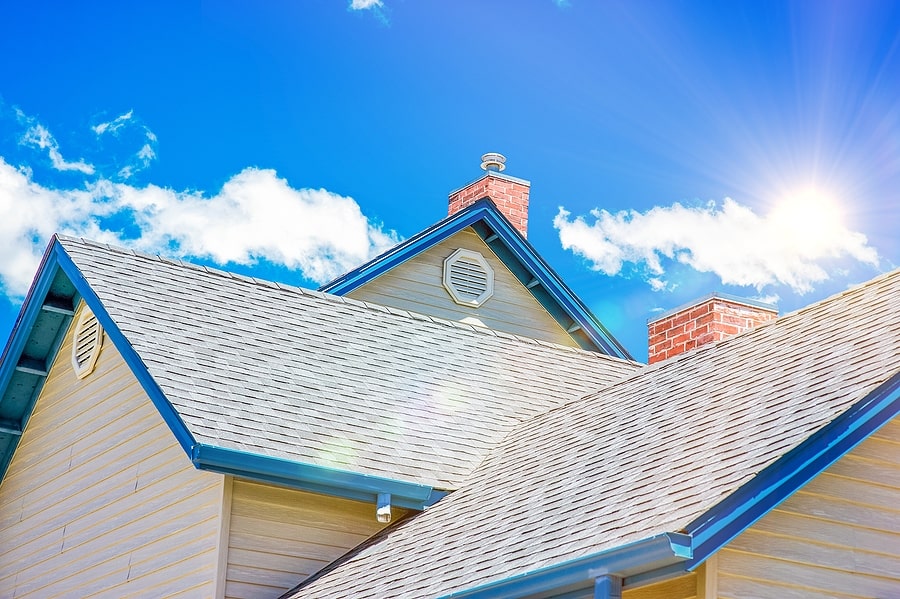
If your utility bills spike every summer and winter, your roof might be the culprit. Your roofing material directly affects how much energy your home consumes year-round.
From Bloomington-Normal to Peoria, Illinois, homeowners face extreme temperature swings that put roofs to the test. Understanding energy-efficient roofing in Illinois helps you make smarter decisions that lower costs and improve comfort. In this post, Sundown Exteriors breaks down how asphalt, metal, and synthetic roofing compare in terms of energy savings.
Call Sundown Exteriors at (309) 275-6801 for expert guidance tailored to your Bloomington-Normal, Lincoln, or Peoria property.
How Your Roof Impacts Year-Round Energy Costs

Energy-efficient roofing in Illinois controls how much heat enters your home in summer and escapes in winter. Dark materials absorb sunlight, raising attic temperatures and forcing your air conditioner to work harder. Poor insulation lets warmth leak out during cold months, spiking heating bills.
The right roofing material reflects solar heat, provides thermal resistance, and maintains stable indoor temperatures. These features help you save money by preventing excessive heating and cooling.
Comparing Asphalt, Metal, and Synthetic Roofs for Energy Performance
Each roofing type handles Illinois weather differently. Here’s how they stack up:
Asphalt Shingles

Traditional asphalt shingles absorb significant heat, especially in darker colors. Standard three-tab shingles offer minimal reflectivity and can increase attic temperatures by 20 to 30 degrees on hot days.
Premium architectural asphalt shingles with cool-roof coatings or reflective granules perform better. These light-colored, energy-efficient roofing options for Illinois homes help reduce heat absorption while keeping costs lower than those of premium materials.
Asphalt shingles typically last 20 to 25 years with moderate maintenance. They provide basic insulation but rely heavily on proper attic ventilation to improve efficiency. For homeowners in Lincoln on tight budgets, reflective asphalt shingles offer a practical middle ground.
Metal Roofing

Metal roofs excel at reflecting solar heat, often reducing cooling costs by 10% to 15%. Standing seam and coated metal panels deflect sunlight rather than absorb it, keeping attic spaces significantly cooler. Many metal systems include specialized coatings that further boost solar reflectance.
Metal roofing lasts 40 to 70 years with minimal upkeep requirements. It handles Illinois hailstorms and high winds without cracking or lifting. While upfront costs run two to three times higher than asphalt, long-term energy savings and durability make metal a wise investment for homeowners planning to stay put.
Synthetic Roofing

Synthetic materials, such as polymer composite shingles, mimic slate, wood, or clay while offering improved energy performance. Many synthetic alternatives include reflective properties and enhanced insulation compared to traditional materials. They weigh less than natural alternatives, making installation easier and less expensive.
Synthetic roofs often use recycled materials, appealing to homeowners who prioritize sustainability and energy-efficient roofing in Illinois. They resist moisture, UV damage, and temperature fluctuations better than standard asphalt. Lifespans typically range from 30 to 50 years.
Do you need help choosing energy-efficient roofing in Illinois? Contact Sundown Exteriors at (309) 275-6801 to compare your best options.
Comparing the Best Roofing Materials for Energy Savings in Illinois
When evaluating how different roof types affect home efficiency, consider these key factors:
- Solar reflectance: Metal roofs reflect the most sunlight, followed by light-colored synthetic and cool-coated asphalt shingles.
- Thermal resistance: Tile and synthetic materials provide natural insulation that slows heat transfer.
- Ventilation compatibility: All materials benefit from proper attic ventilation, but metal and tile naturally promote better airflow.
- Maintenance requirements: Metal needs the least upkeep, while asphalt requires periodic inspections and repairs.
Your roof must handle Illinois’s extreme temperature fluctuations without degrading quickly. Metal and synthetic options hold up better under UV exposure and freeze-thaw cycles than standard asphalt shingles.
Balancing Upfront Cost Against Long-Term Savings
Asphalt shingles cost less initially but may need replacement sooner. Metal roofing demands a higher upfront investment, yet saves money through lower energy bills and a longer lifespan. Synthetic materials fall between these two, offering improved performance without the premium price tag of metal.
Consider calculating your total ownership costs over 30 years rather than focusing only on installation expenses. Factor in energy savings, maintenance costs, and replacement frequency to determine the best value for your needs.
Sundown Exteriors Helps You Choose the Right Energy-Efficient Roof
Selecting the best roofing materials for energy savings in Illinois depends on your budget, home style, and long-term plans. Sundown Exteriors installs energy-efficient roofing in Illinois that meets your needs while addressing local climate challenges.
Call Sundown Exteriors today at (309) 275-6801 to schedule your consultation and discover which energy-efficient roofing in Illinois works best for your Bloomington-Normal, Lincoln, or Peoria home.